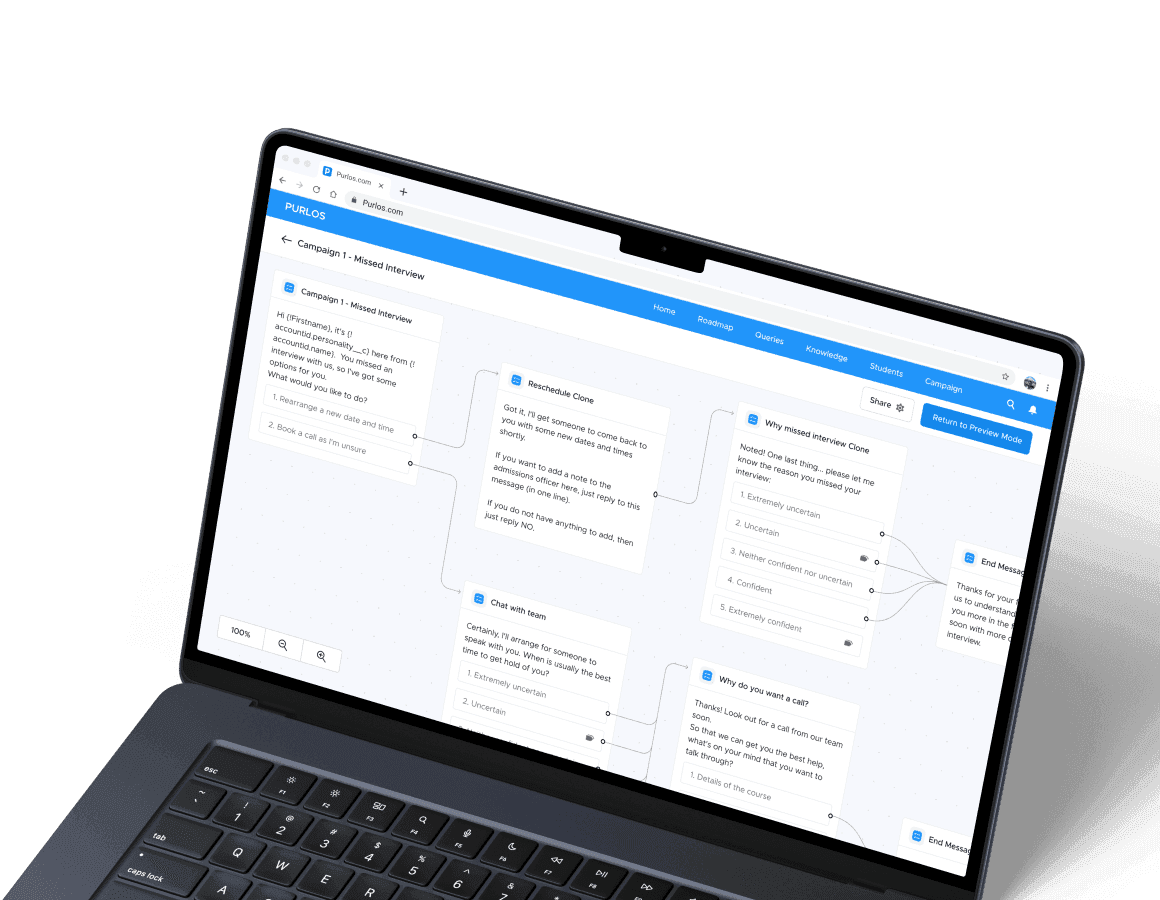
We helped SocioLocal rebuild their multi-location platform to improve user experience, speed up content workflows, and give digital marketers better control over brand consistency and customer engagement.
Marketing
B2B SaaS
Redesigned the digital marketing platform SocioLocal to streamline campaigns and boost engagement.
Teams launch campaigns faster and more easily
Campaigns launch with higher engagement
SocioLocal is a marketing tech startup building tools for multi-location brands. Their core product is a B2B digital marketing platform that helps digital marketers manage marketing campaigns across multiple channels, while maintaining consistent brand identity.
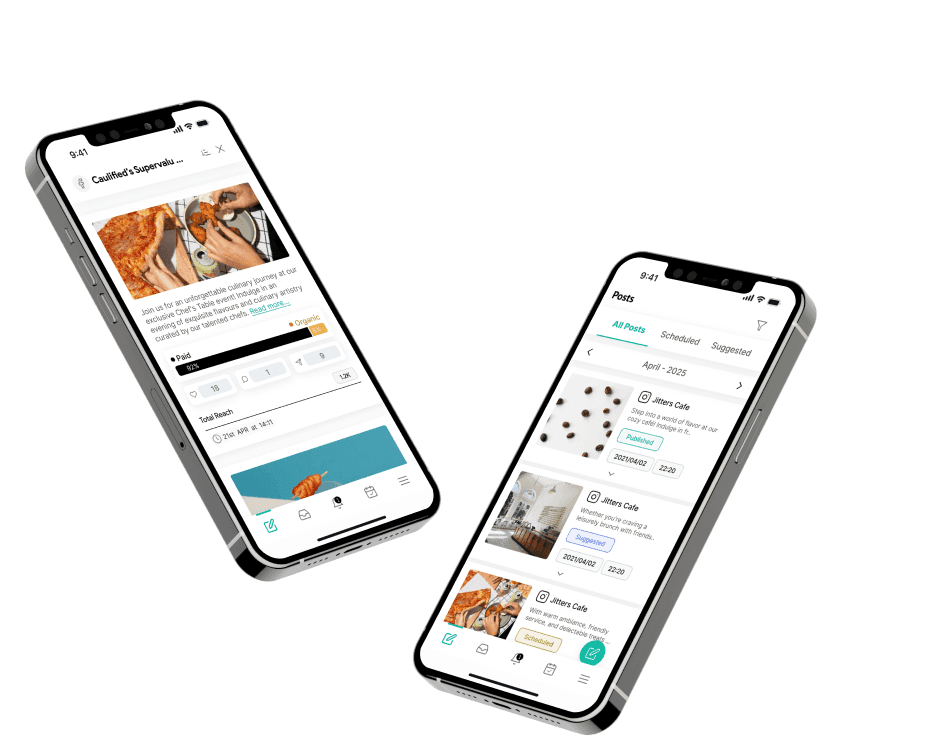

was in the early MVP stage when we joined. The client needed support in refining the user experience, improving current engagement, and aligning the product with clear business goals.


SocioLocal came to us with a clear goal: redesign their digital marketing platform to help central teams and local stores manage marketing campaigns with less friction and stronger brand consistency. But delivering a smooth user experience across such different user roles wasn’t easy.
Central teams needed control over branding and scheduling. Local store managers needed the freedom to customize posts without breaking the system.We had to design a platform that worked for both, while also improving overall customer experience and supporting the needs of digital marketers working across multiple channels.
Before jumping into design, we spent time learning how central marketing teams and local store managers actually use the platform and where it was slowing them down. Through stakeholder interviews, user feedback, and secondary research, we identified key behaviors and pain points that shaped our approach.
01
Central teams needed a clear way to plan and schedule campaigns across multiple channels.
02
Local stores wanted freedom but felt overwhelmed by complicated processes.
03
Both user groups struggled with inconsistent brand management and slow approvals.
01
Users valued fast, intuitive access to customizable templates and previews.
02
We focused on balancing central control with local flexibility.
03
Ease of use and compliance were critical to improve customer experience.
By centering the redesign on how real users work and interact with the platform, we laid the foundation for a more user-friendly, efficient, and accessible digital marketing experience.

managing brand-wide campaigns, scheduling posts, and tracking performance

customizing content, engaging local audiences, and maintaining brand consistency
We approached the redesign by carefully mapping out user needs and business goals. Our process focused on creating clear, efficient workflows, a visually accessible interface, and a robust design system, all designed to make social media management faster and easier for both central teams and local stores.
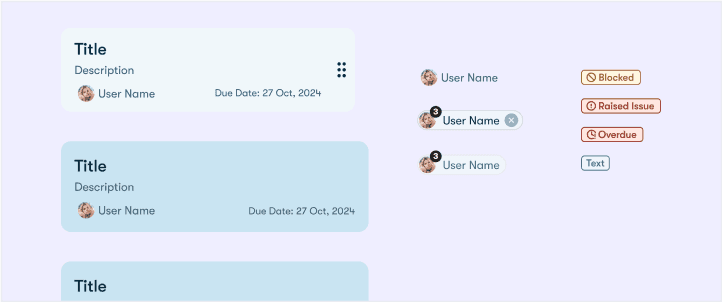
We created a reusable design system that accelerated development and kept consistency across the platform. This system included components for buttons, forms, content cards, and navigation elements, all built with accessibility in mind. Close collaboration with developers and QA happened through a Slack channel and weekly syncs. We used detailed Figma prototypes and annotations to bridge design and development, making sure interactions were implemented accurately and efficiently.
Central marketing teams struggled to maintain brand consistency, while local store managers felt restricted and unable to tailor content to their audiences.
We designed role-specific interfaces that give central teams powerful brand controls and approval workflows, while allowing local stores to customize posts through branded content pools and templates.
This balance reduced approval times and increased local post customization, boosting overall customer engagement and brand loyalty.
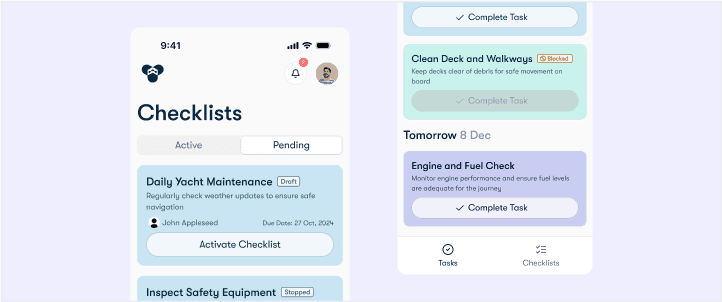
Manual scheduling and unclear approval flows caused delays and inconsistent posting across locations.
We created a simplified content calendar with clear visual cues, automated approval workflows, and real-time post previews, making scheduling faster and more reliable.
Campaign launch times improved, leading to more timely marketing campaigns and higher engagement across all channels.
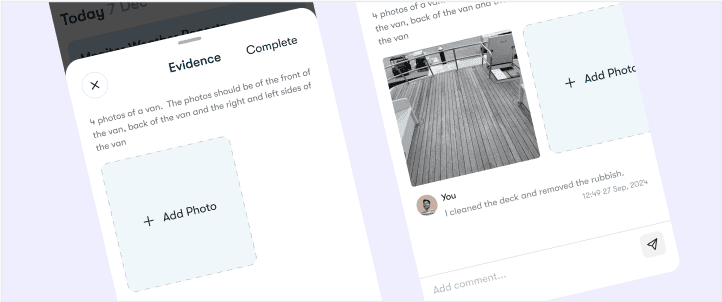
The existing platform lacked accessibility features, limiting its usability for some users and risking non-compliance with EAA 2025 standards.
We implemented comprehensive accessibility features, including alt text for non-text elements, keyboard navigation, and color contrast improvements embedded in a shared design system.
The platform now meets EAA 2025 requirements, improves user satisfaction, and supports a broader range of users.
As we redesigned SocioLocal, one thing became clear: the platform needed a content editor that could keep up with daily campaigns across multiple locations.
The challenge? Central marketing teams needed tight control over branding, while local store managers needed the freedom to adapt content to their audiences. And of course, the solution had to be cost-efficient and easy to scale.
We looked at different editing tools, but most were either too expensive or didn’t offer the flexibility required for real, role-based workflows. That’s when we found IMG.LY.
Instead of building an editor from scratch, we customized IMG.LY to create a role-aware content creation system. The result? Central teams can manage brand controls effortlessly, local managers can edit and personalize content safely, and repetitive manual tasks are greatly reduced. Campaigns launch faster, approval bottlenecks shrink, and overall workflow efficiency improves. Users are happier, teams save valuable time, and the platform is now a solid foundation for long-term growth and future features.
To make this integration truly effective, we focused on three key areas:
Keeping the brand consistent was essential, but overly restrictive templates would limit local creativity.
We introduced structured templates with:
This approach lets local managers personalize content freely without breaking the brand, reducing approval friction and keeping everything visually consistent.
The platform supports campaigns across multiple channels, so the editor had to work like real marketing tools do.
We added a custom crop and resize system for different social media formats (Instagram, Facebook, and more). We also reworked the sidebar and simplified editing options, making content creation faster and less confusing.
These updates turned the editor into a practical marketing tool, not just a design feature.
To make collaboration smooth at scale, we created a Content Pool, a central media library similar to Google Drive.
Users can upload, organize, and manage files directly within the platform. Everything syncs automatically with the editor, and customizations are saved into structured folders.
This setup cut down repetitive work, minimized errors, and made workflows much more efficient for everyone.
Our redesign turned a complicated platform into a user-friendly, accessible tool that helps digital marketers run marketing campaigns more efficiently across multiple locations.



Sviat has a medical degree and has studied accessibility and rehabilitation science. He has worked on 20+ projects, focusing on improving UX design and accessibility. Sviatoslav is a lecturer at top Ukrainian universities, collaborates with governmental organizations, and hosts the UX time podcast.